Poisoned Bald Eagles Spark Ongoing Wildlife Investigation
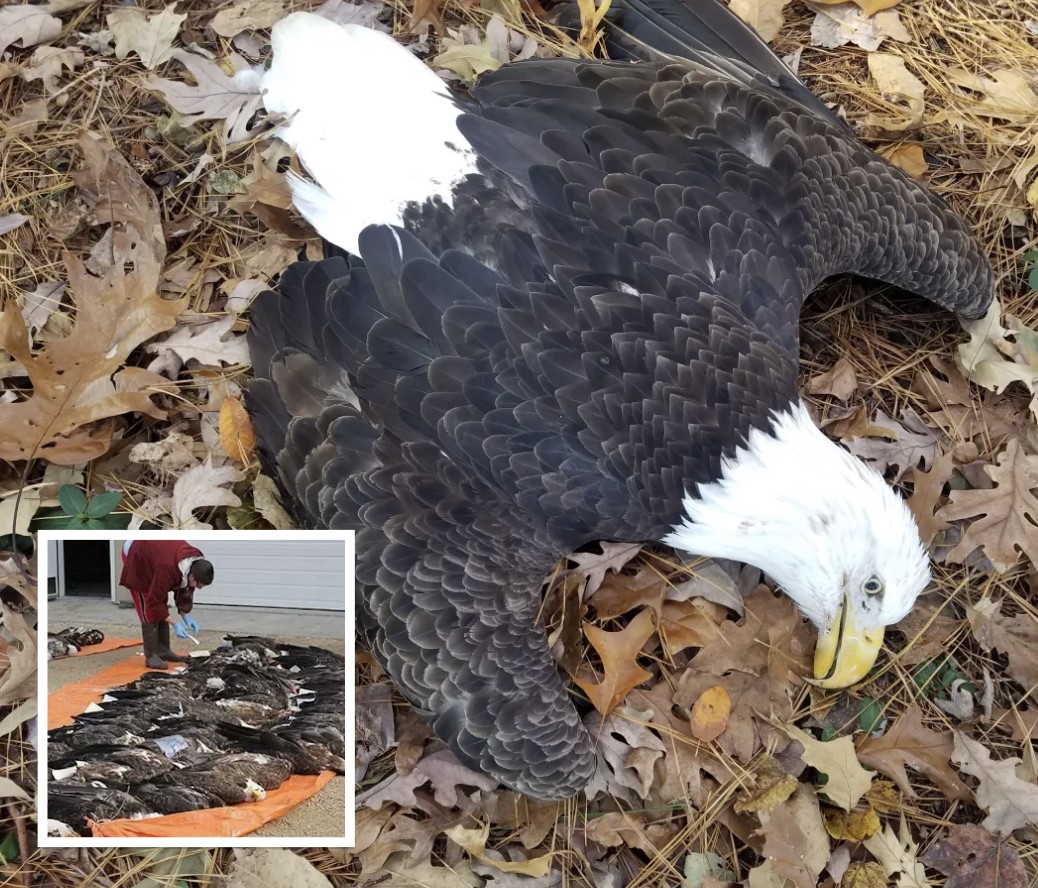
Wildlife officials have partially unraveled the mystery behind the deaths of 13 bald eagles found on Maryland’s Eastern Shore, but the person responsible remains unknown. Investigators confirmed the birds were poisoned by carbofuran, an extremely toxic pesticide. Some of the eagles were juveniles that had not yet developed their signature white head feathers, underscoring the severity of the loss. According to the Cornell Lab of Ornithology, even a single granule of carbofuran can kill a small bird.
A Banned Chemical With Deadly Consequences
The pesticide was banned for use on food crops by the Environmental Protection Agency in 2009, though experts believe old stockpiles still exist. In February 2016, a man searching for deer antlers discovered several dead eagles near Federalsburg, Maryland. A six-month investigation by the U.S. Fish and Wildlife Service uncovered more carcasses but no clear suspect.
No Arrests, Only Lingering Questions
Necropsies revealed carbofuran in six eagles and a raccoon found nearby, suggesting the birds may have ingested poisoned prey. While the chemical has been illegally used to kill pests and predators, authorities admit there was “no smoking gun.” The case highlights the lingering dangers of banned pesticides—and the devastating toll they continue to take on protected wildlife.