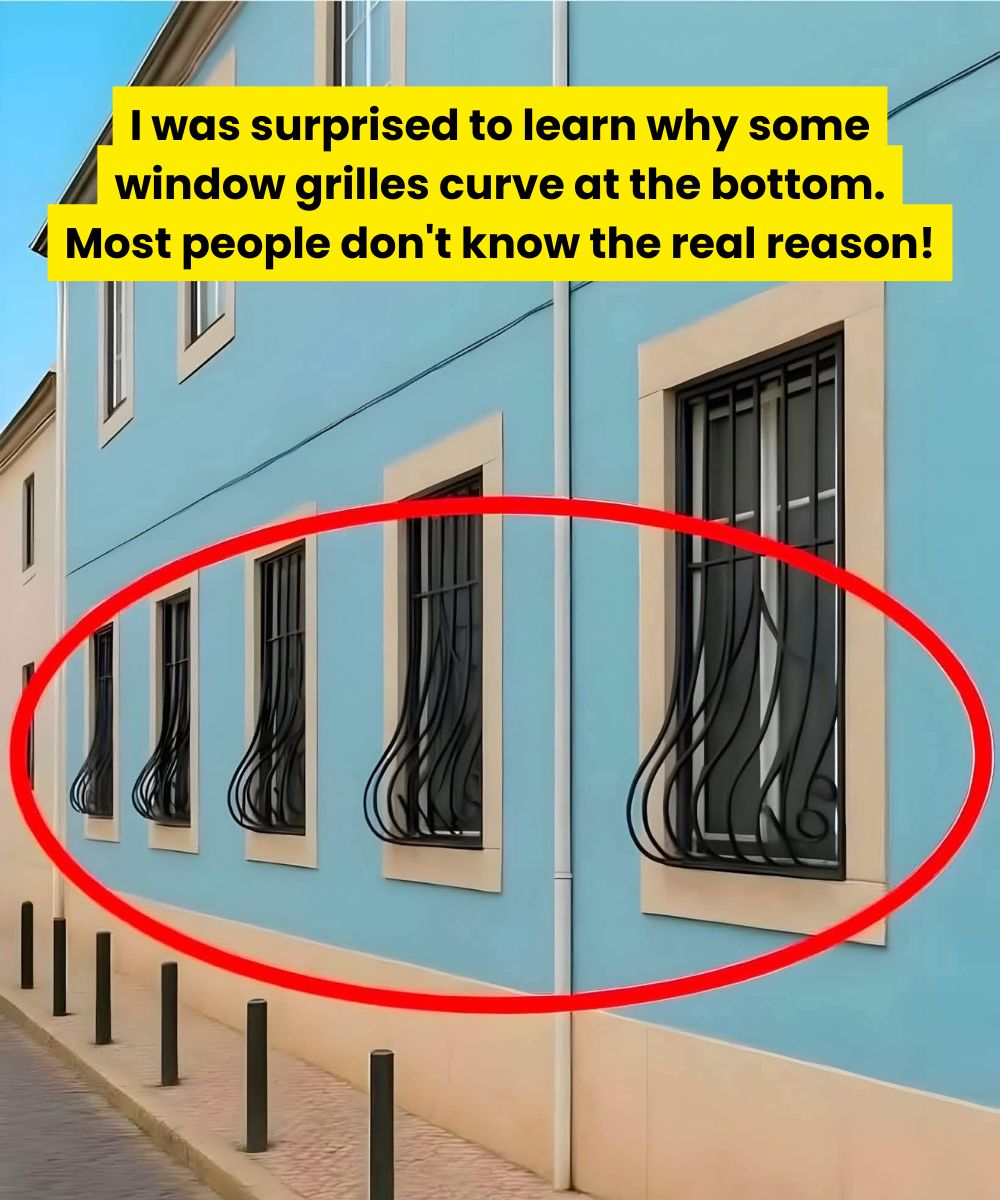
Window grilles do far more than add security — they shape airflow, influence exterior style, and impact how a home feels from the outside. Among the many grille styles available, curved and straight designs remain the most popular, each offering its own blend of practicality and visual appeal. Choosing between them often comes down to how you want your home to look and function on a daily basis.
Straight grilles deliver a clean, modern, and minimal appearance. Their flat, linear structure fits seamlessly with contemporary or industrial architecture where sharp lines dominate. Because they sit close to the window frame, they function strictly as a barrier without adding extra space. Curved grilles, meanwhile, bring a softer, more decorative feel. Their outward-bowing shape adds depth and charm, often giving homes a European or Mediterranean touch. Many homeowners prefer them because they avoid the harsh “prison bars” look and make the façade appear warmer and more inviting.
Functionality also plays a major role. Curved grilles create a small balcony-like pocket that allows better ventilation, more natural light, and enough room for plants or décor. This added depth can significantly improve airflow, especially in compact rooms or older homes. Straight grilles may restrict air movement slightly, but they offer excellent security thanks to their flat design and limited handholds, making them harder for intruders to tamper with.
When it comes to safety, emergency escape options matter. Curved grilles more commonly feature hinged or quick-release mechanisms, offering safer exit routes during fires. Straight grilles are often fixed, which can be restrictive unless custom release systems are added. Cost is another factor: straight grilles are typically cheaper and easier to install, while curved models require more shaping and craftsmanship. Ultimately, the best choice depends on whether you value minimalism and maximum security, or decorative charm with improved ventilation and extra functional space.