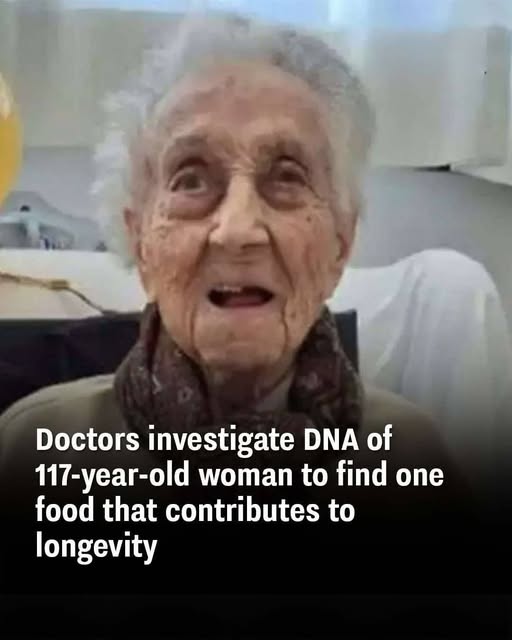
Maria Branyas Morera lived a life that stretched across centuries, quietly linking eras most people only read about. Born on March 4, 1907, in San Francisco, she moved with her Catalan family to Spain as a child and spent the rest of her life in Catalonia. When she passed away on August 19, 2024, at 117 years and 168 days old, she was recognized as the world’s oldest verified living person, placing her among the longest-lived humans ever documented.
Her lifetime encompassed extraordinary historical change. Maria lived through two world wars, the Spanish Civil War, the Great Depression, and dramatic political shifts across Europe. She witnessed the rise of modern medicine, vaccines, and antibiotics, survived the COVID-19 pandemic at age 113, and saw technology evolve from early automobiles to the internet. Despite this constant transformation, she lived a grounded life in Olot, Spain, remaining socially active and mentally engaged well into her final years.
What truly set Maria apart was her decision to contribute to science. Before her death, she asked researchers to study her body in depth. Scientists from the University of Barcelona and international partners analyzed her genetics, metabolism, immune system, and microbiome. Their findings revealed rare genetic traits linked to longevity, low inflammation, a remarkably healthy gut, and biological markers that appeared decades younger than her actual age.
Maria’s lifestyle reinforced those advantages. She followed a Mediterranean diet, avoided alcohol and smoking, walked regularly, and maintained strong family connections. She believed calm, routine, and emotional balance were essential to long life. Her legacy extends far beyond records, offering powerful insight into healthy aging. Maria Branyas Morera showed that longevity is not just about living longer, but about living well.