New York City’s next mayor, Zohran Mamdani, is stepping into office amid rare national scrutiny for a local leader. A self-described democratic socialist, Mamdani’s victory in America’s largest city has energized progressives while triggering sharp pushback in Washington. His rise has turned a municipal election into a flashpoint for broader ideological battles, reflecting how deeply polarized U.S. politics has become.
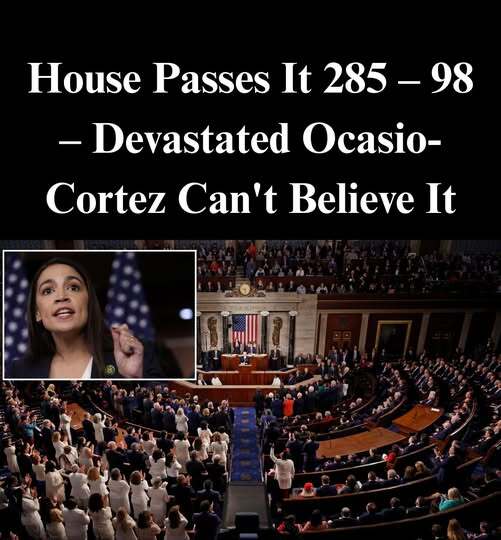
That tension was underscored when the U.S. House passed a symbolic resolution condemning socialism just hours before Mamdani arrived in Washington. Though the measure carried no legal weight, its timing was widely seen as a response to his election. The bipartisan vote, which included dozens of Democrats, revealed unease within both parties. Supporters viewed it as political theater, while critics framed it as a warning against policies they associate with socialism.
Mamdani dismissed the resolution as a distraction, emphasizing governance over symbolism. He reiterated his focus on affordability issues facing New Yorkers, including housing costs, transportation, and access to basic necessities. His platform centers on rent stabilization, expanded social services, and progressive taxation—policies that resonated with voters frustrated by inequality. Mamdani has argued that ideological labels matter less than delivering measurable improvements in daily life.
Surprisingly, Mamdani’s first meeting with former President Donald Trump struck a cooperative tone. Despite past criticism, both signaled openness to working together on shared concerns like crime and affordability. The moment highlighted a pragmatic shift from campaign rhetoric to governance. As Mamdani prepares to lead a city of 8.5 million, the real test will be translating bold promises into workable policy—under a national spotlight that shows no sign of dimming.