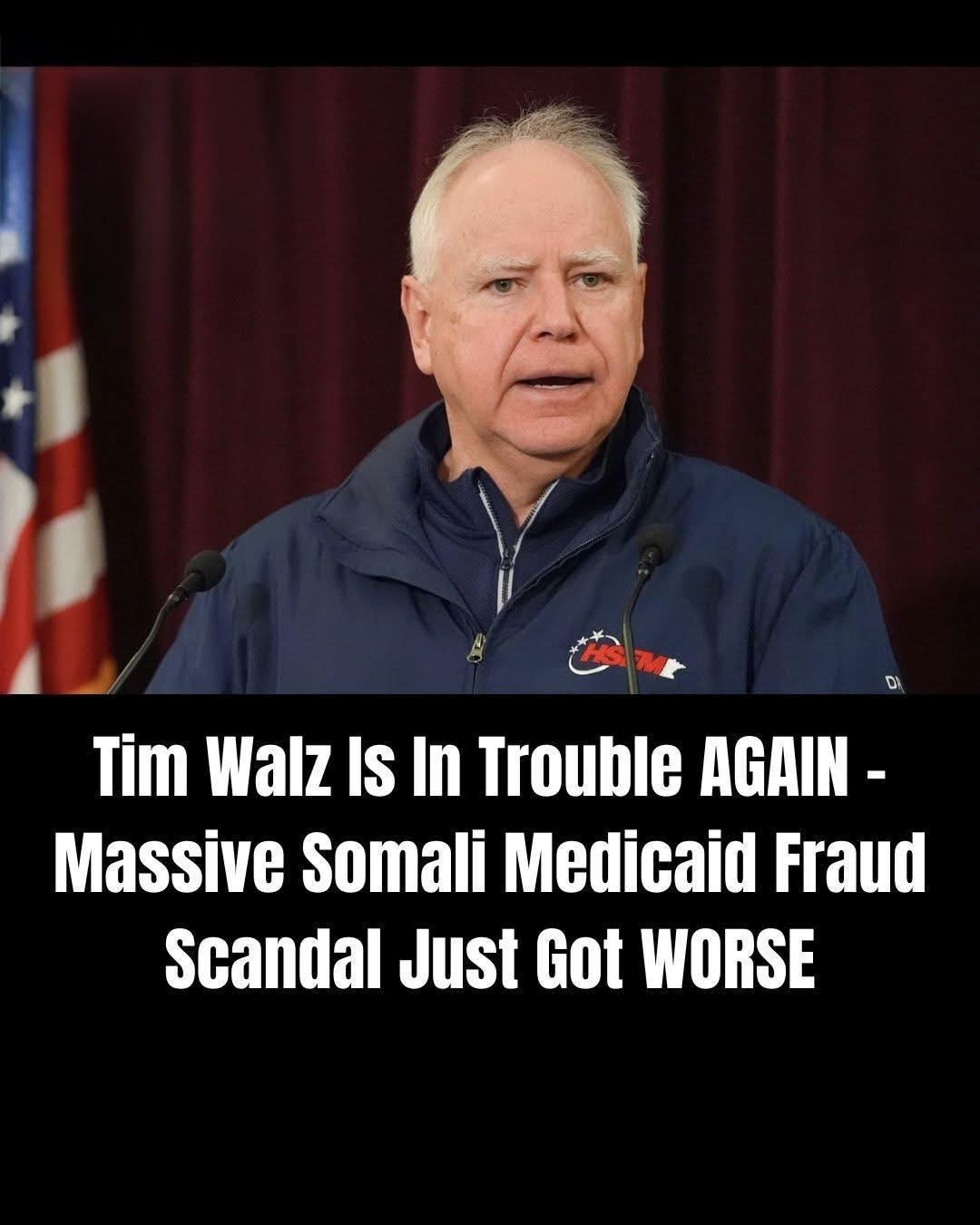
A growing tension has emerged in Minnesota between Governor Tim Walz and nearly 100 mayors representing rural, mid‑sized, and urban communities. Their concern centers on how the state is handling fraud in public programs and the broader fiscal outlook, highlighting the direct impact on local budgets and services.
Local Leaders Raise Concerns
On December 22, 2025, the coalition of mayors sent a letter to Governor Walz and state legislators detailing how recent state-level financial decisions and alleged program fraud are straining city budgets. They cited the disappearance of an $18 billion budget surplus and projected deficits of $2.9–$3 billion in 2028‑29 as evidence of inconsistent fiscal management. Rising property taxes, delayed infrastructure projects, and limitations on public safety staffing are among the tangible effects felt by communities.
Fraud and Oversight Issues
A central issue is fraud in state-administered programs, particularly Medicaid and human services. Investigations suggest fraudulent billing and inflated claims may reach into the billions, although state auditors have confirmed “tens of millions” to date. Mayors argue lax oversight has compounded local fiscal pressure, leaving municipalities to manage the fallout.
Calls for Reform
The mayors propose stronger oversight, transparent auditing, program reform, and collaborative solutions between state and local governments. They emphasize accountability over partisanship, focusing on practical solutions for residents.
Governor’s Response
Governor Walz has implemented third-party audits and paused certain Medicaid payments to address fraud. His office disputes inflated figures, citing increased state support for infrastructure, public safety, and tax relief as evidence of commitment to local communities.
Implications for Governance
The dispute underscores broader challenges in state-local relations: transparency, accountability, and trust are critical for effective governance. For Minnesota, resolving these issues will require decisive action to safeguard public funds while supporting cities and towns most affected by fiscal pressures.