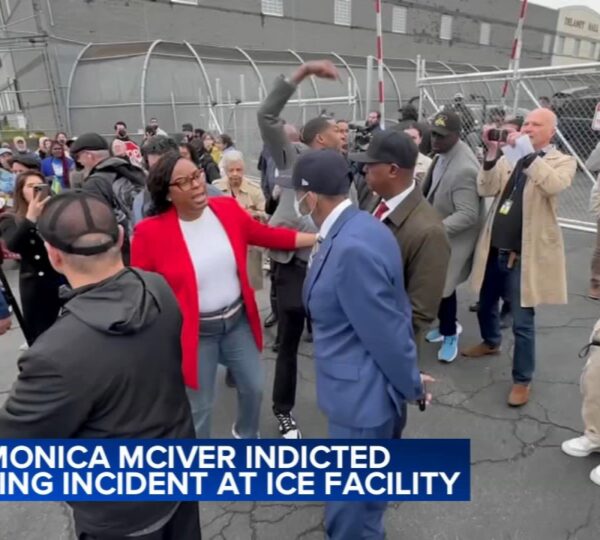
What began as a brief congressional oversight visit has escalated into a major legal and constitutional battle with national implications. When Representative LaMonica McIver entered the ICE detention facility at Delaney Hall in Newark on May 9, the encounter lasted only minutes. Months later, it has evolved into federal felony charges, judicial rulings, and a wider debate over the limits of congressional authority when confronting executive enforcement power.
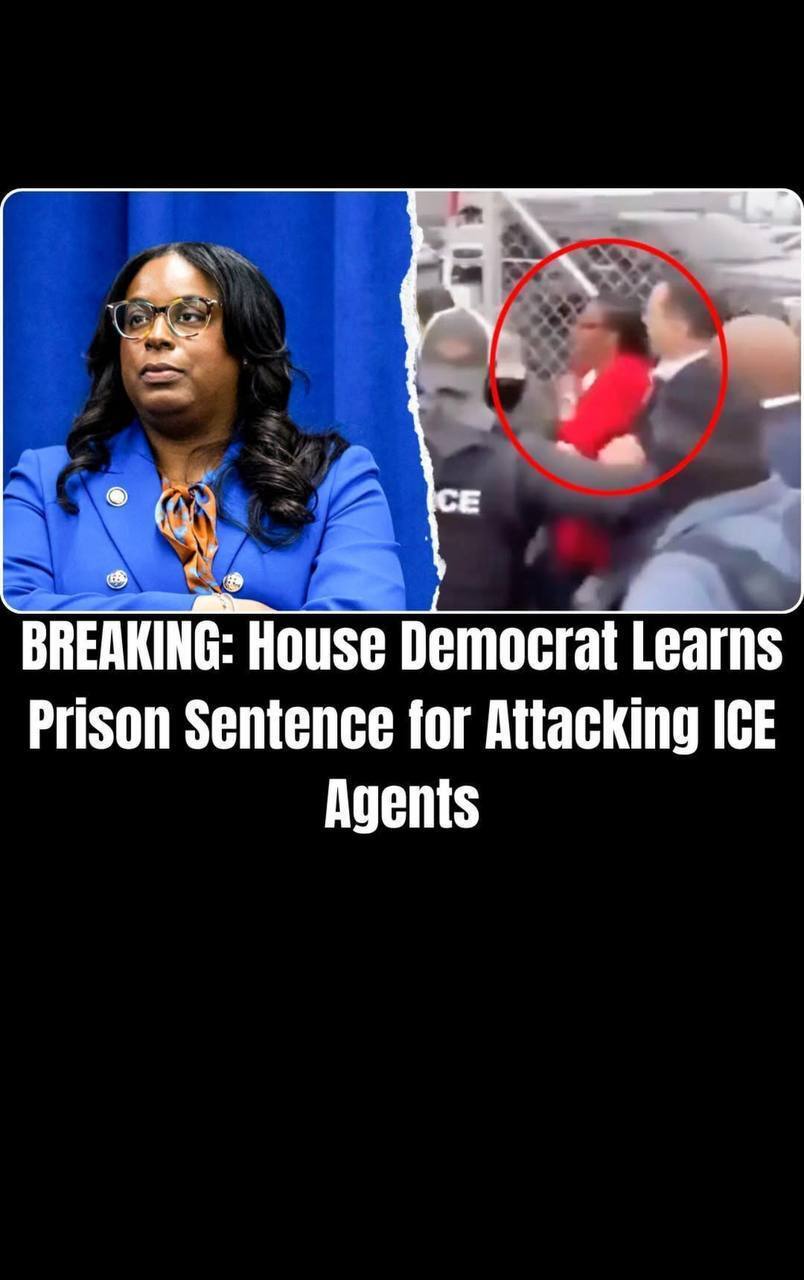
The incident unfolded as McIver joined fellow lawmakers and Newark Mayor Ras Baraka for what they described as an oversight inspection. Prosecutors allege that when federal agents moved to arrest Baraka outside the facility, McIver physically interfered, striking and obstructing officers. She was charged with three federal counts related to assault and interference, carrying a potential sentence of up to 17 years. Baraka’s misdemeanor trespassing charge was later dropped, while McIver pleaded not guilty and vowed to fight the case.
Legally, the dispute has become a test of constitutional boundaries. McIver’s defense argues her actions were protected under congressional oversight powers and the Speech or Debate Clause. Prosecutors counter that physical interference with law enforcement falls outside legislative immunity. In November 2025, Judge Jamel K. Semper allowed most charges to proceed, rejecting claims of selective or vindictive prosecution. However, he also ordered DHS to remove inflammatory social media posts, citing concerns about prejudicing a future jury.
Beyond the courtroom, the case highlights deeper tensions between oversight and enforcement. Supporters warn that criminalizing oversight chills accountability, while critics insist no official is above the law. As the trial approaches, the outcome could redefine how far lawmakers can go during confrontations with federal agencies—shaping the balance of power for years to come.