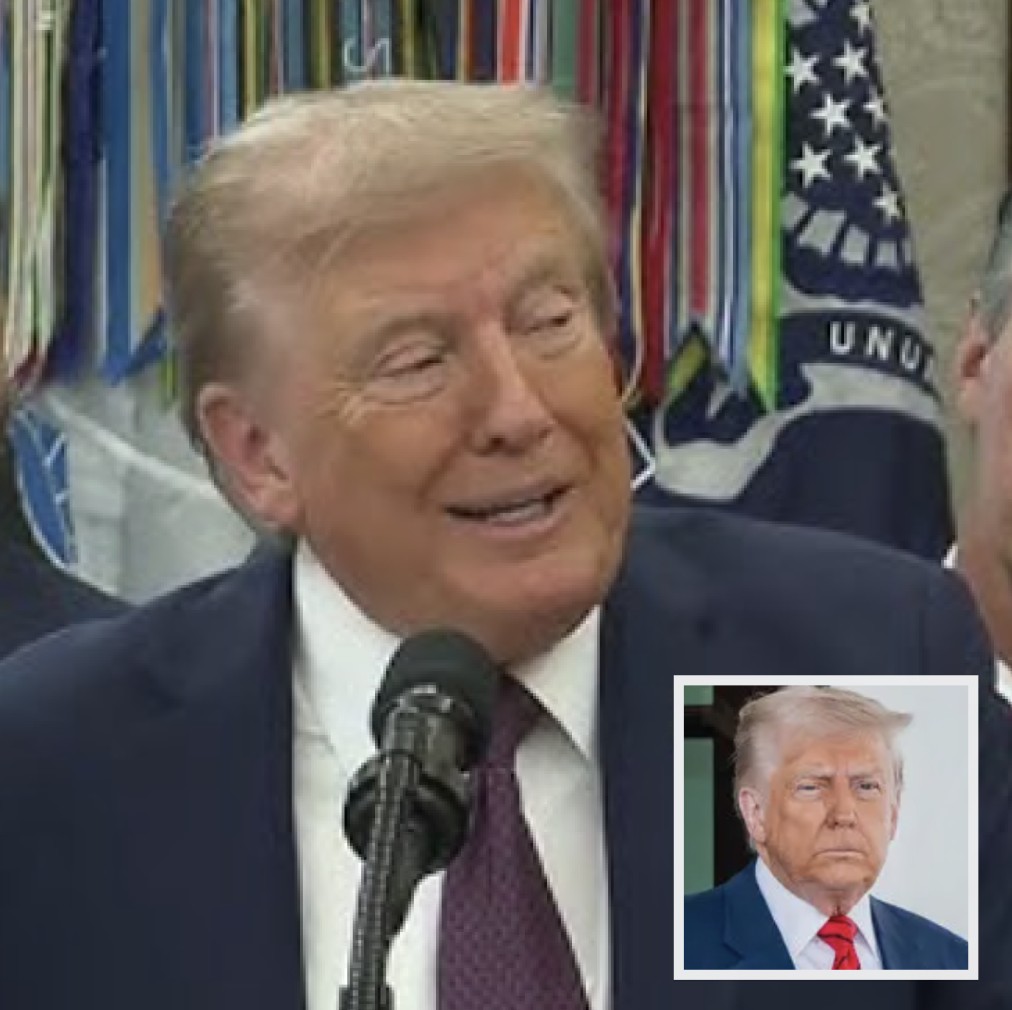
President Donald Trump said Monday that Americans could start receiving $2,000 “tariff dividend” checks as early as mid-2026, offering the most concrete timeline yet for a proposal he has repeatedly promoted this year. Speaking from the Oval Office, Trump described the payments as direct financial relief for working- and middle-class families struggling with higher prices, stressing that the funds would come from tariff revenues generated under his trade policies.
Despite the confident rollout, the plan faces a major hurdle: congressional approval. Treasury Secretary Scott Bessent cautioned that legislation would be required before any checks could be issued, leaving the proposal firmly in lawmakers’ hands. Early projections suggest the program could cost more than $200 billion if payments go to individuals rather than households, even with income limits. That figure would exceed recent annual tariff revenue, raising questions about funding sources.
The proposal also arrives as Trump’s broader tariff strategy faces legal uncertainty. The Supreme Court is expected to rule soon on whether certain national security tariffs were lawfully imposed. A negative decision could significantly disrupt the administration’s trade agenda and potentially force massive refunds. By highlighting dividend checks, the White House has framed the court fight as one with direct consequences for everyday Americans.
Politically, the timing is notable. If checks were distributed in 2026, they would land just ahead of the midterm elections, making the plan one of the largest pre-election cash distributions in U.S. history. Supporters see it as economic relief, while critics warn that injecting hundreds of billions into the economy could reignite inflation. For now, the administration insists inflation is easing, but until Congress acts, the tariff dividend remains a high-profile — and uncertain — promise.