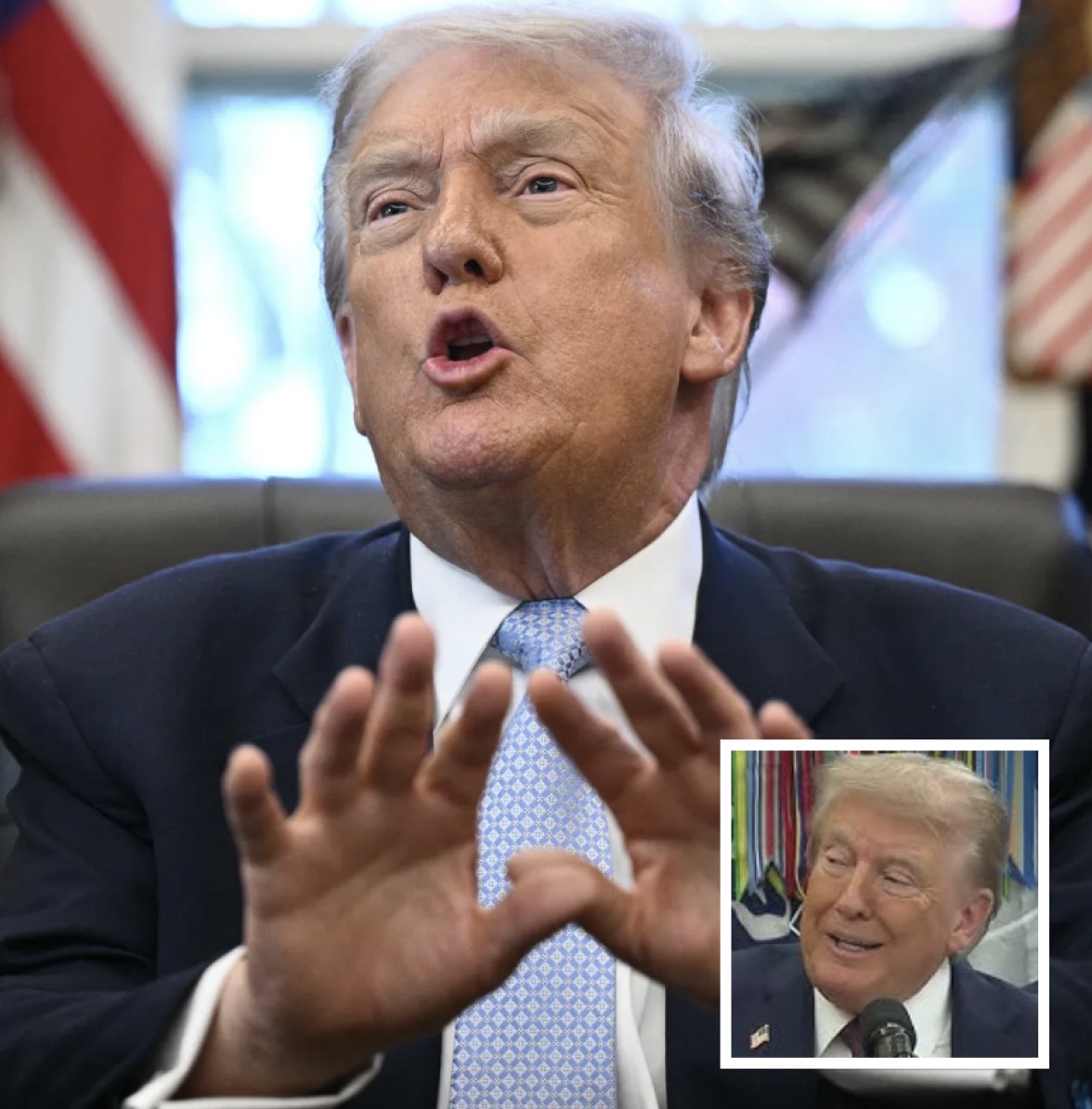
President Donald Trump said Monday that Americans could begin receiving $2,000 “tariff dividend” checks by mid-2026, offering the clearest timeline yet for a proposal he has repeatedly promoted. Speaking from the Oval Office, Trump framed the payments as relief for working- and middle-class households strained by high prices, arguing the funds would come directly from tariff revenues generated under his trade policies.
Despite the confidence, the proposal faces a major hurdle: congressional approval. Treasury Secretary Scott Bessent confirmed lawmakers must authorize the program before any payments can be issued. Early estimates suggest the plan could cost more than $200 billion if checks are sent to individuals, potentially exceeding annual tariff revenue and requiring either higher collections, new borrowing, or budget offsets.
The announcement also arrives as the Supreme Court prepares to rule on the legality of Trump’s tariffs, a decision that could reshape his trade agenda. Politically, the timing is significant—checks distributed ahead of the 2026 midterms could influence voters. Economists, however, warn that injecting hundreds of billions into the economy risks reigniting inflation. Until Congress acts, the tariff dividend remains a proposal rather than a promise.