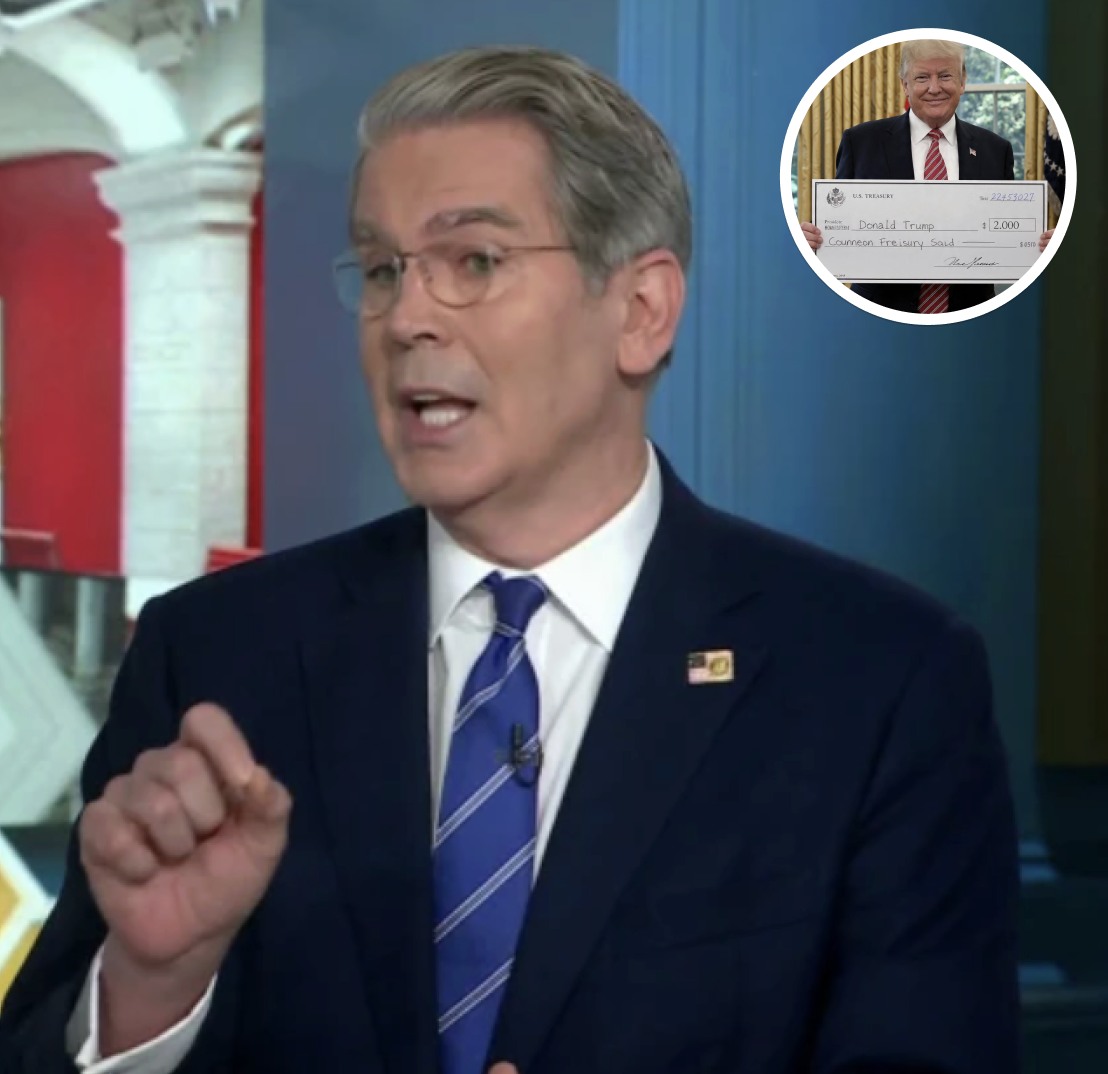
Trump’s $2,000 Tariff Rebate Plan: What Americans Should Know
Discussion around a potential $2,000 tariff-funded rebate began on November 9, when President Donald Trump announced on Truth Social that most Americans—excluding high earners—could receive a “dividend” from tariff revenue. He pointed to strong markets, rising tariffs, and economic momentum as justification.
Congressional Approval Is the Key Hurdle
Treasury Secretary Scott Bessent later confirmed on Fox News that the administration wants the payments to benefit “working families,” but stressed that Congress must approve any rebates. “These payments could go out,” Bessent said, “but only with congressional authorization.”
Costs, Courts, and Complications
Nonpartisan analysts estimate the program could cost up to $600 billion—far more than the roughly $100 billion collected from tariffs this year. Adding uncertainty, the Supreme Court is reviewing whether Trump’s tariff structure is constitutional, a decision that could trigger massive refunds.
What Comes Next?
Trump has doubled down on the proposal, promising “at least $2,000” for middle- and lower-income households, while officials explore tax cuts as an initial alternative. For now, no legislation exists, eligibility rules remain undefined, and Americans are left waiting as Congress and the courts hold the final say.