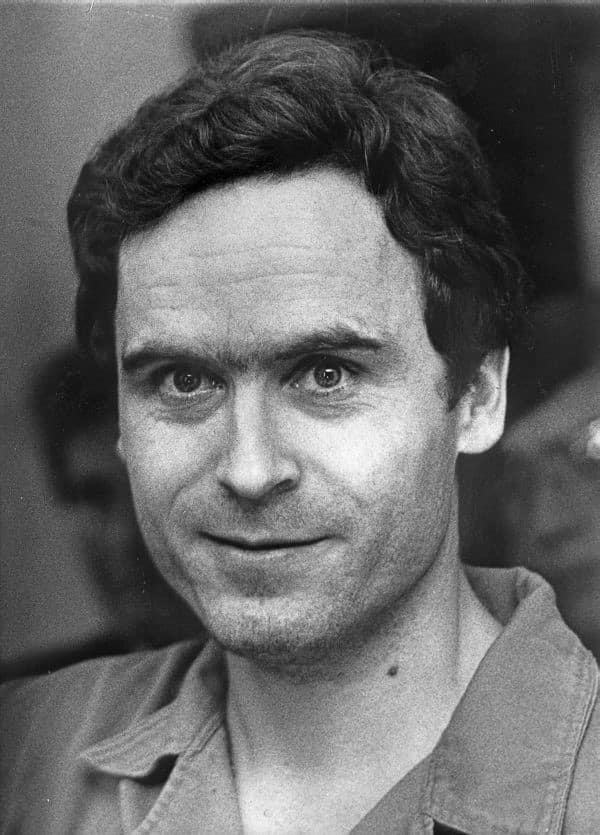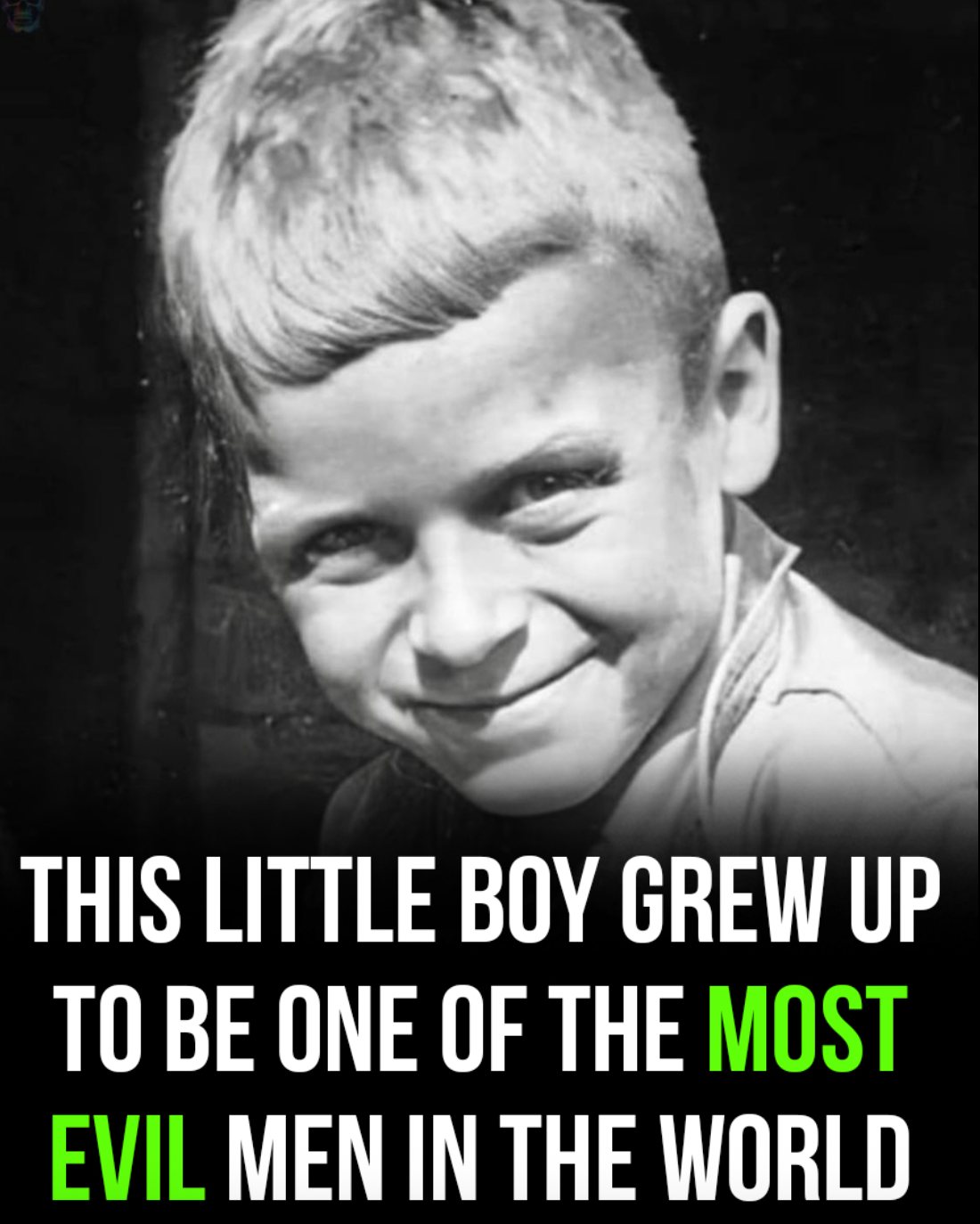
The Ordinary Boy Who Became a Monster
At first glance, Ted Bundy looked like any other quiet American child. He delivered newspapers, joined the Boy Scouts, and blended easily into small-town life. Nothing about his early years hinted at the name that would later become synonymous with terror.
A Childhood Built on Secrets
Born in 1946, Bundy’s life began with deception. Raised by his grandparents, he was led to believe his mother was his sister. The truth, revealed later, left deep emotional scars. “I always knew something wasn’t right,” Bundy would later admit, reflecting on his fractured identity.
Early Warning Signs
Though he appeared normal, unsettling moments surfaced. A relative once recalled waking to find young Bundy standing by her bed with knives nearby. Social isolation, bullying, and rejection during adolescence deepened his resentment and inner turmoil.
From Charm to Violence
In the 1970s, Bundy began a calculated killing spree across multiple states, using charm and fake vulnerability to lure victims. He later confessed to 30 murders, though the true number may be higher.
A Legacy That Haunts
Executed in 1989, Bundy left behind more than victims—he left a chilling reminder that “evil often hides behind the most ordinary faces.”