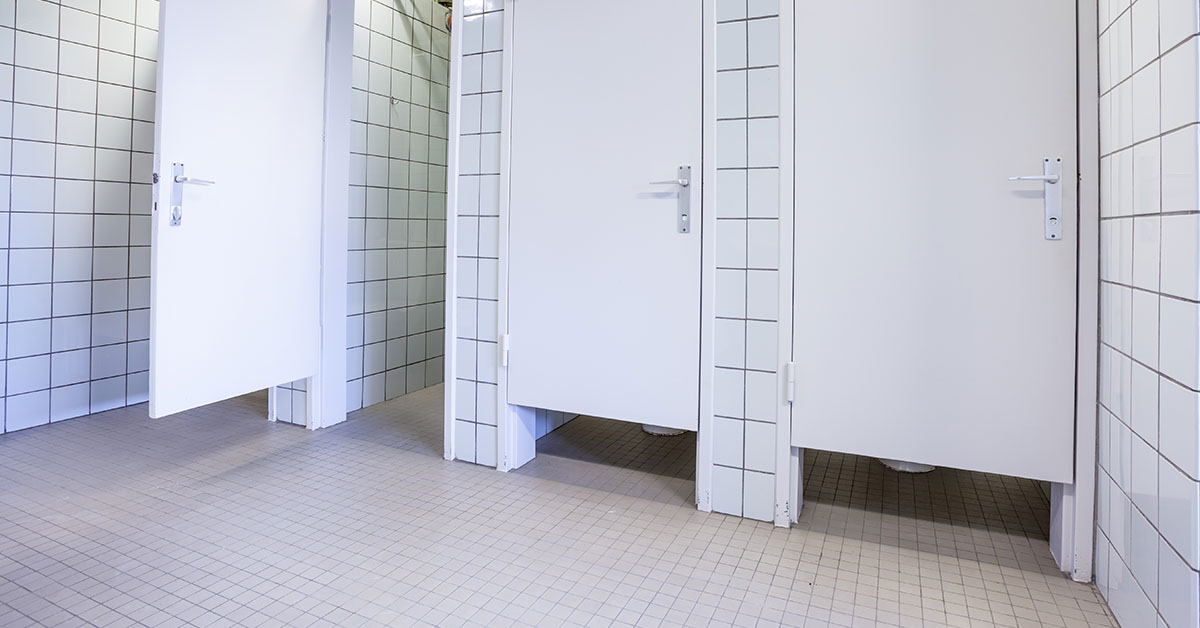
Public bathroom stalls often puzzle people—why don’t the doors reach the floor? While it may look odd, the design is actually intentional and serves several practical purposes.
1. Emergency Access
If someone collapses inside, the gap makes it easier to spot them and provide help. As one user put it, “If there’s ever an emergency, you can quickly see and assist.”
2. Easier Cleaning
Janitors can mop or pressure-wash the floors without opening every stall, keeping bathrooms more hygienic.
3. Lower Costs
Shorter doors are cheaper to manufacture, install, and maintain compared to full-length ones.
4. Better Ventilation
The opening helps odors escape, improving air circulation and keeping the restroom fresher.
5. Prevents Misbehavior
Less privacy discourages people from loitering or misusing stalls.
6. Quick Exits
If a lock jams, the gap allows you to crawl out instead of being trapped.
7. Occupancy Check
Glancing under the door lets you know if a stall is free—no awkward knocking needed.
8. Faster Turnover
With less privacy, people tend to finish up quicker, reducing long lines.
9. Easy Assistance
Run out of toilet paper? The gap makes passing supplies possible without leaving the stall.
Conclusion
What looks strange at first is actually smart design. Raised doors improve safety, hygiene, cost, and efficiency—proof that even in public bathrooms, every detail serves a purpose.