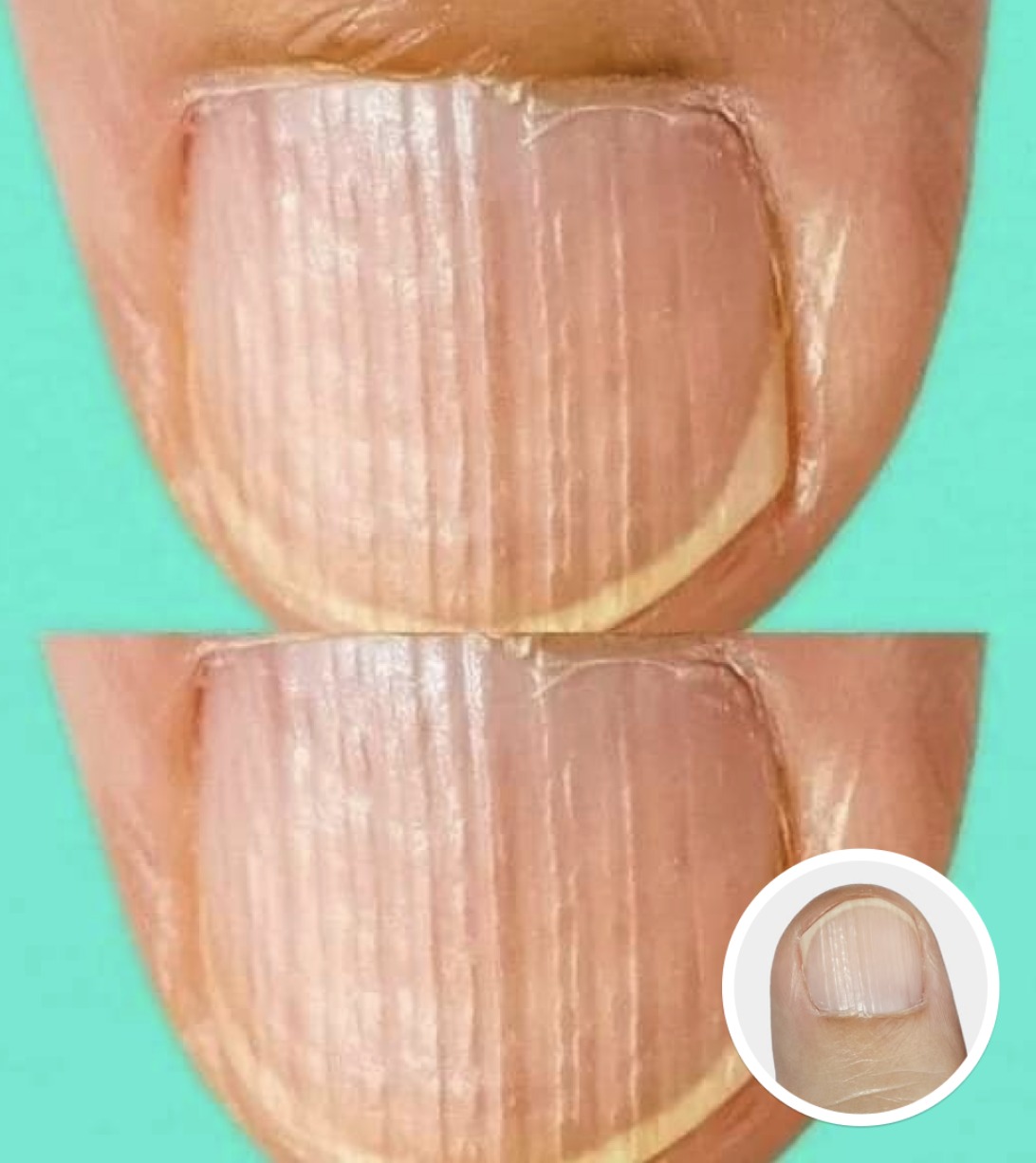
Ridges on your nails may seem like a small cosmetic issue, but skin experts say they can sometimes reflect what’s happening inside your body. Dr. Ross Perry, a skin specialist at Cosmedics, explains that nail ridges can develop for several reasons, ranging from harmless habits to underlying health concerns. Understanding what causes these changes can help determine when they’re normal—and when medical advice is needed.
One of the most common causes of nail ridges is nutritional deficiency. According to Dr. Perry, low levels of vitamin A, protein, or calcium may affect nail growth and texture. In more severe cases, iron deficiency can lead to visible nail changes, including pronounced ridges. Dehydration may also play a role, as nails can become dry and uneven when the body lacks sufficient fluids to support healthy growth.
That said, most nail ridges are not linked to serious illness. The NHS notes that common nail problems—such as brittleness, discoloration, or shape changes—are usually harmless. Everyday habits like nail picking, frequent manicures, or exposure to harsh chemicals can damage the nail surface over time. Aging itself is another frequent factor, as nail growth naturally slows and becomes less smooth with age.
However, experts warn that deep, severe ridges should not be ignored. Dr. Perry says these rare cases may signal conditions such as kidney disease or diabetes and should be checked by a doctor. Medical advice is also recommended if nails become misshapen, fall off without injury, or if the surrounding skin becomes red, swollen, or painful—a possible sign of infection. Paying attention to nail changes can offer valuable clues about overall health.