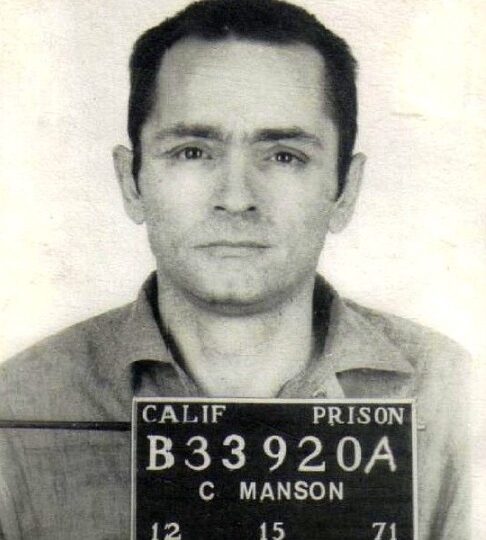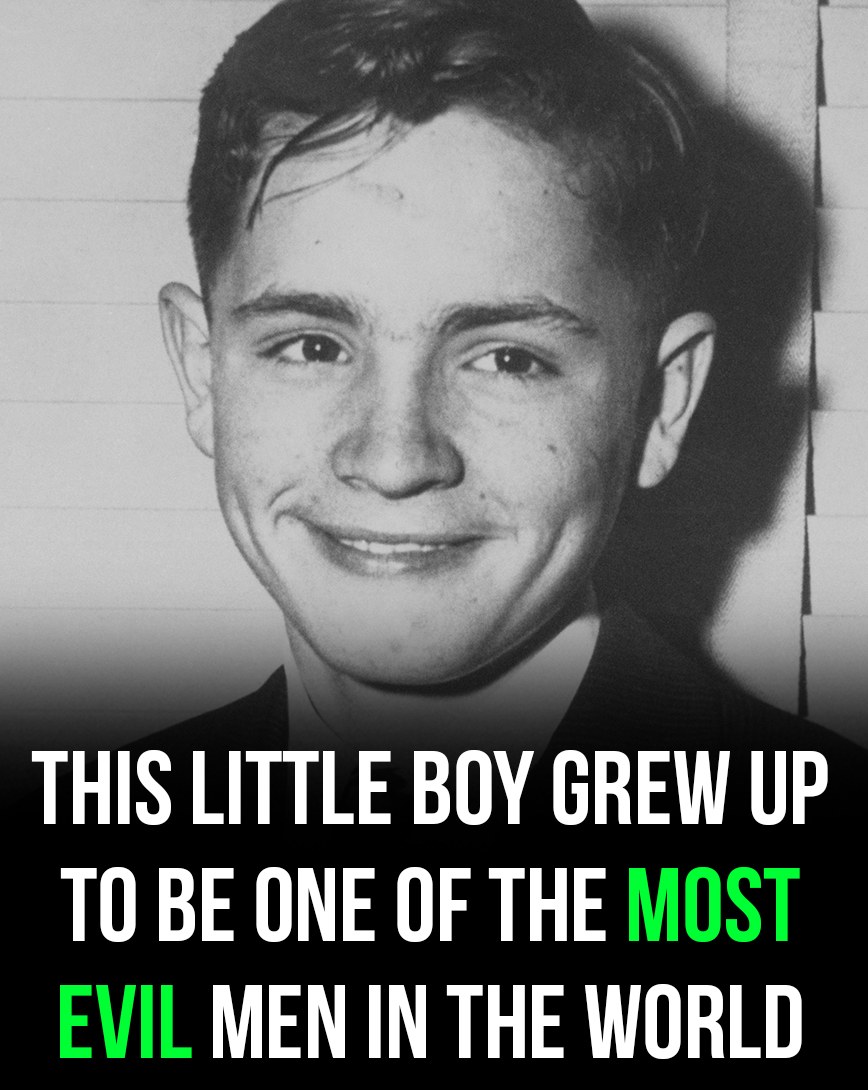
Even the most innocent-looking child can be shaped into something unrecognizable when raised in chaos, neglect, and violence. The life of Charles Manson is a chilling example of how early trauma and instability can spiral into unimaginable evil. Born in 1934 to a teenage mother in Ohio, Manson grew up surrounded by abandonment, abuse, and constant displacement. His childhood was marked by reform schools, neglect, and exposure to crime, laying the foundation for deep psychological damage and antisocial behavior that followed him into adulthood.
By his teenage years, Manson had embraced crime and manipulation, moving in and out of institutions while developing a talent for control and intimidation. In prison, he refined his skills, experimenting with hypnosis and psychological influence. After his release, he gathered vulnerable followers, forming the cult known as the Manson Family. Convincing them he was a prophetic figure, he twisted delusions, music, and ideology into a violent vision he called “Helter Skelter.”
In 1969, that vision exploded into the infamous Tate-LaBianca murders, crimes that shocked the world and sealed Manson’s place in history. Though he never killed directly, his manipulation made him responsible. “Manson became a metaphor for evil,” one prosecutor said—an enduring reminder of how neglect, charisma, and madness can collide with devastating results.