Henry Winkler’s path to success was marked by years of misunderstanding and self-doubt. As a child, he struggled in school and faced relentless criticism from his parents, who believed his difficulties were rooted in laziness rather than ability. The constant labeling damaged his confidence, yet Winkler quietly promised himself he would never treat his own children that way. Decades later, he would finally uncover the truth behind those struggles—and turn it into a source of purpose.
Growing up in a household that prized academic excellence, Winkler felt enormous pressure to perform. His parents, German immigrants with strict expectations, often told him he was “lazy” or “not living up to his potential.” Despite giving his best effort, nothing seemed to work. He was frequently punished, grounded for long periods, and barred from social and creative activities. School became a place of anxiety rather than growth, shaping his early sense of failure.
Against the odds, Winkler earned an MFA from Yale University, though his learning challenges followed him into adulthood. Reading scripts was especially difficult, forcing him to rely on memorization and improvisation. Even during his iconic run as Arthur “Fonzie” Fonzarelli on Happy Days, he struggled through table reads, often feeling embarrassed. “I stumbled over every word,” he later admitted, despite becoming one of television’s most beloved stars.
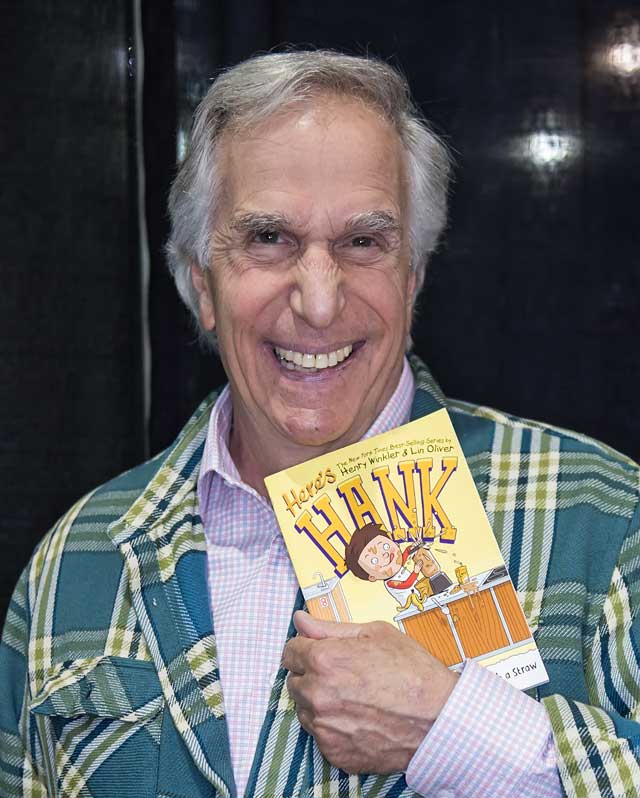
Everything changed when Winkler realized he had dyslexia at age 31, after his stepson was diagnosed. The revelation brought anger—but also relief. Channeling that emotion, Winkler began inspiring others, especially children, through his Hank Zipzer book series. “Your learning challenge will not stop you from meeting your dream,” he tells young readers. Today, Winkler views those books—not fame—as his greatest achievement.