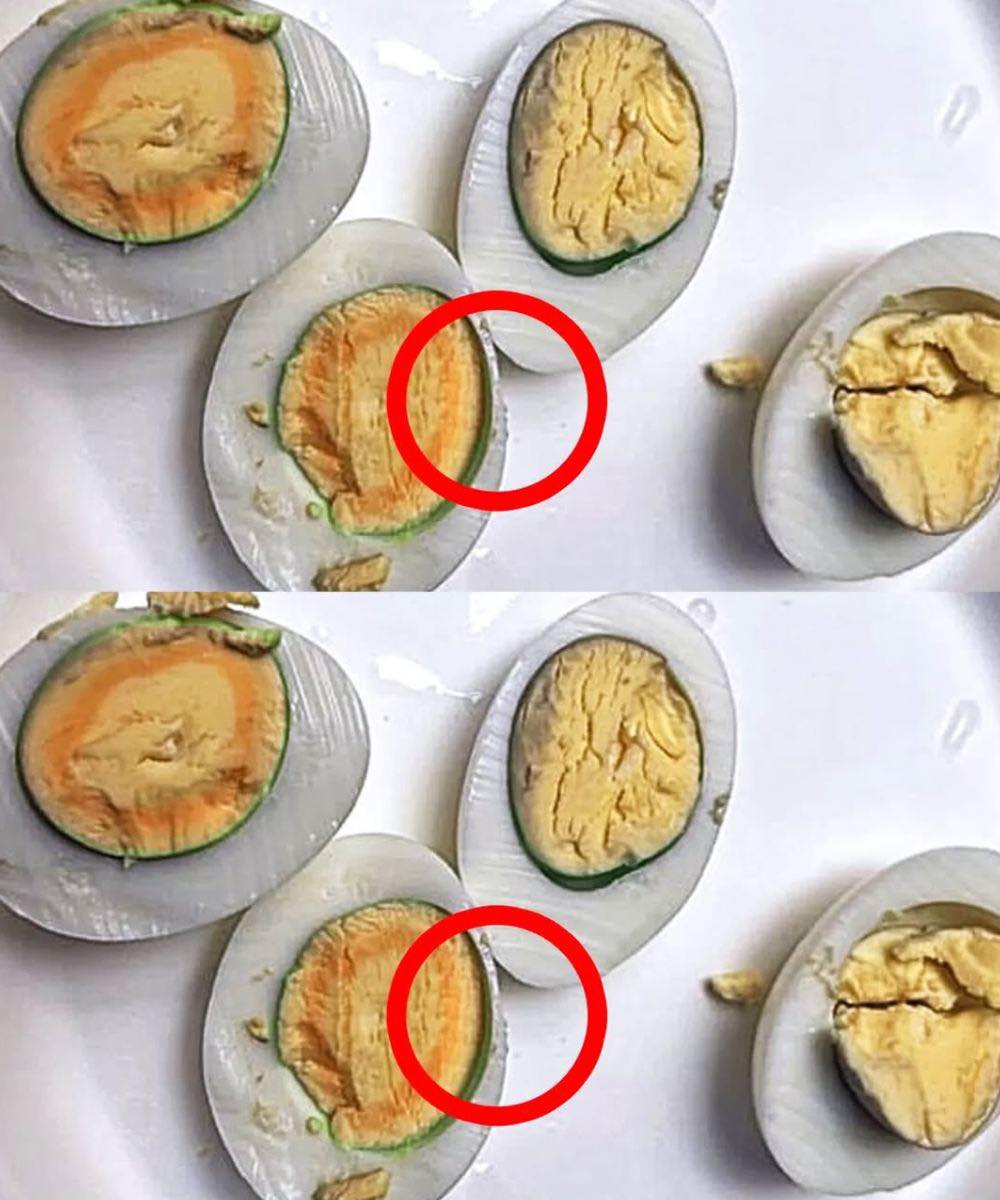
If you’ve ever sliced into a hard-boiled egg and noticed a green or gray ring around the yolk, it can be surprising and a little concerning. Many people wonder whether the egg is spoiled or unsafe to eat. The good news is that it’s perfectly safe. That discoloration is simply a sign of overcooking, not contamination. Understanding why it happens makes it easy to prevent and helps you achieve better-tasting eggs every time.
The green ring forms because of a chemical reaction inside the egg. When eggs are cooked too long or at very high temperatures, sulfur from the egg whites reacts with iron in the yolk. This creates iron sulfide, which appears as a greenish-gray layer around the yolk’s surface. While harmless, this reaction often leaves the yolk dry, crumbly, and slightly sulfur-smelling—far from ideal texture or flavor.
Timing is the most important factor for perfect hard-boiled eggs. Start by placing eggs in a single layer in a pot and covering them with cold water. Bring the water to a boil, then turn off the heat, cover the pot, and let the eggs sit. Nine to ten minutes produces fully set whites with creamy yolks, while eleven minutes yields firmer yolks. Going beyond that greatly increases the chance of discoloration.
Cooling is just as crucial as boiling. Eggs continue cooking from residual heat after being removed from the stove. Immediately transferring them to an ice bath for at least five to ten minutes stops the reaction and makes peeling easier. Remember this simple rule for flawless eggs: gentle heat, precise timing, and rapid cooling. Follow it, and you’ll enjoy bright yellow yolks, tender whites, and consistently perfect hard-boiled eggs.