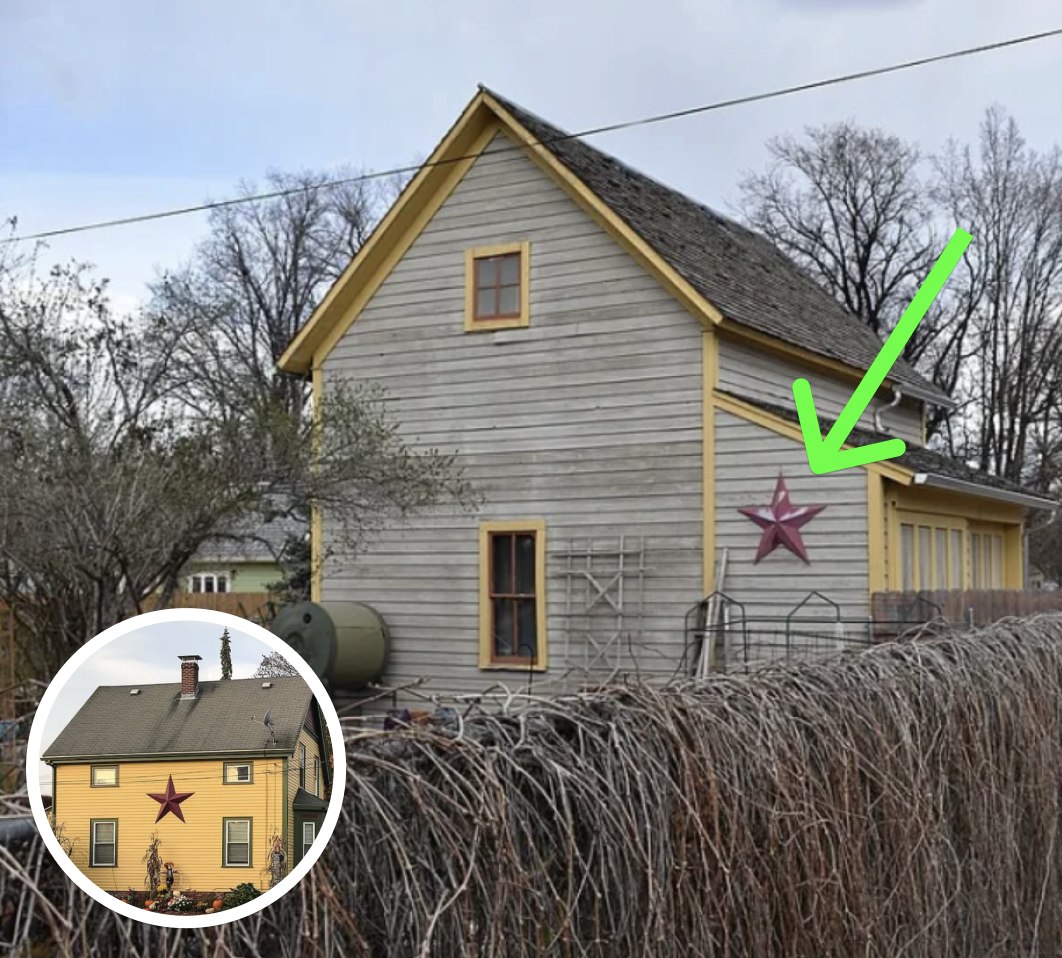
In December 2020, a viral social media claim suggested that homes decorated with five-pointed stars were secretly signaling that the residents were “swingers.” The allegation spread quickly, fueled by curiosity and speculation. But a review of credible sources revealed no evidence supporting the claim. According to reporting by Distractify, the earliest version of the rumor dates back to a 2007 post on the StrippersOnline message board, not any cultural or historical practice. The online frenzy obscured the fact that these stars—commonly known as barn stars—carry a meaning rooted in tradition, not coded messages.
Barn stars, often made of metal and displayed on the exterior of homes, are strongly associated with Pennsylvania Dutch heritage. As noted by The Voice, a Canadian news outlet, these stars appear frequently on the homes of families with German-American roots. Their presence reflects a long-standing cultural identity rather than any involvement in unconventional relationships. Local Pennsylvania reporting from The Morning Call adds that the stars are widely regarded as symbols of good luck, protection, and tradition, with some people believing that different colors convey different blessings.
A quick online search shows barn stars remain popular as decorative pieces across rural and suburban communities, particularly in Pennsylvania. They are readily available to purchase and widely embraced for their folk-art charm. Importantly, their use has no connection whatsoever to signaling romantic openness or alternative lifestyles. The rumor linking them to swinger culture is simply unfounded.
By separating myth from fact, a clearer picture emerges: barn stars are a proud emblem of Pennsylvania Dutch heritage and a display of cultural continuity. Their symbolism is rooted in history, not salacious intrigue. Appreciating them for what they truly represent helps preserve the authenticity of American folk traditions and prevents misinformation from overshadowing meaningful cultural symbols.