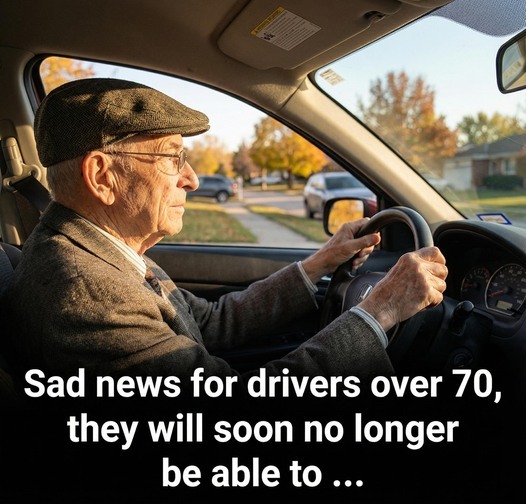
The debate over routine driving evaluations for older adults has gained renewed urgency as populations continue to age, particularly across Europe. With more seniors staying behind the wheel longer than ever before, questions are rising about whether traditional licensing rules still meet today’s safety needs. Supporters of periodic assessments argue that aging can gradually affect vision, reflexes, hearing, and cognitive processing — all factors that can influence confidence and road safety.
But critics warn against relying on age alone as a measure of ability. Many older adults remain skilled, attentive, and highly experienced drivers. A single-age cutoff, they argue, risks unfairly restricting capable individuals while stripping them of independence and mobility.
Across Europe, policies vary widely. Some countries require more frequent renewals or medical checks for older drivers, while others do not. Yet major reviews show no clear evidence that mandatory age-based retesting improves overall road safety for people over 65. Some research even suggests that such measures may unintentionally reduce seniors’ mobility or increase risks in other areas — including pedestrian safety — without delivering meaningful safety benefits. What experts consistently point out is that older adults are not a uniform group; some stay fully fit well into their later years, while others experience declines long before any age-based threshold.
Because of this diversity, many specialists recommend a more nuanced approach. Voluntary refresher courses, health-triggered evaluations rather than age-triggered ones, and stronger public transit options for seniors can help maintain both safety and personal autonomy. Families also play a key role by having open, respectful conversations about driving abilities and changes over time.
Ultimately, the real issue isn’t age itself — it’s how abilities evolve. Viewing driving through the lens of responsibility instead of restriction allows communities to protect public safety while preserving dignity and independence for older adults who remain fully capable behind the wheel.