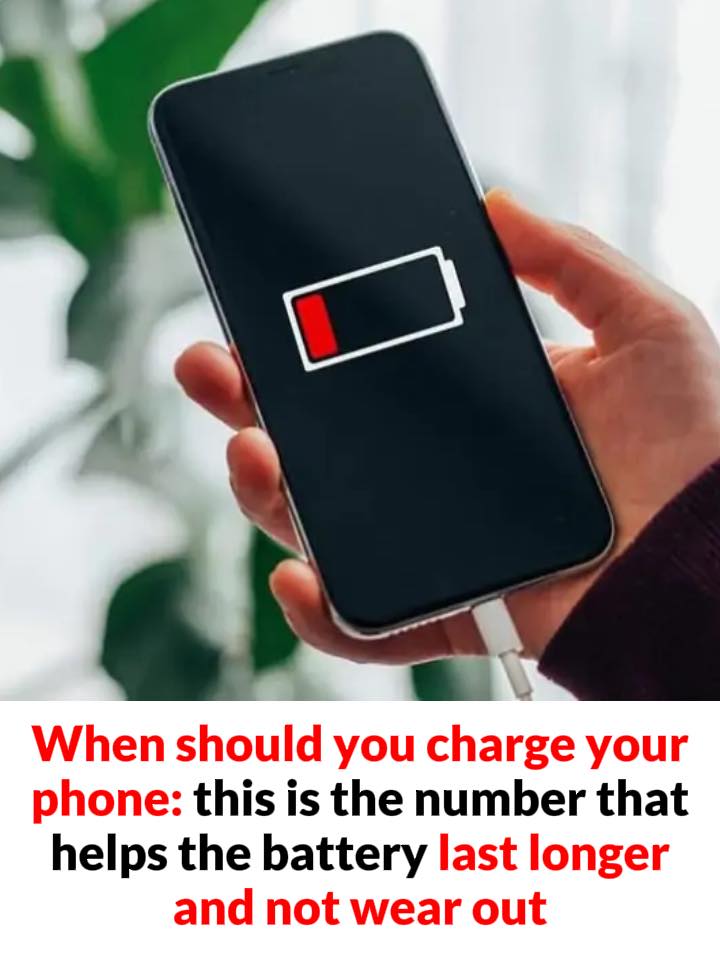
Knowing when to charge your phone can make a big difference in its long-term battery health. While opinions still vary, most tech experts agree on one thing: avoid letting your phone drop below 5% before plugging it in. Allowing the device to shut down completely can strain the battery, making it harder to charge later and gradually shortening its lifespan. Because modern smartphones run on lithium-ion technology, they don’t need to be drained fully — in fact, partial charges are much healthier.
Li-ion batteries are designed to handle flexible charging habits, so topping up your phone at 30%, 40%, or even 70% is completely fine. You can also safely unplug the charger before hitting 100%, as the battery automatically stops drawing power once it’s full. What matters most is preventing your phone from repeatedly reaching a critically low level. Keeping your battery between 20% and 80% is widely considered the sweet spot for long-term performance and improved charging efficiency.
A few simple habits can also help your phone stay healthy. Avoid using the device while it’s charging, since this can generate excess heat — one of the biggest threats to battery life. Turning off features like WiFi, Bluetooth, and mobile data during charging can also help the battery fill faster. Lowering your screen brightness and closing background apps reduces power drain and allows your device to charge more efficiently.
Finally, always rely on original chargers from your phone’s manufacturer to ensure proper voltage and safety. Avoid frequent deep discharges, as letting the battery hit 0% too often can cause charging issues over time. With smart charging habits and the right accessories, you can extend your phone’s battery life and keep it performing reliably for years.