Eggs: A Complete Food—If You Use Them Right
Eggs are one of the most nutrient-dense foods available, offering high-quality protein, essential vitamins, minerals, and long-lasting fullness. That’s why they’re a favorite for breakfast and fasting meals. However, improper storage and preparation can reduce their benefits and even increase health risks.
How to Tell If an Egg Is Fresh
A simple water test works wonders: place the egg in a glass of water.
If it sinks and lies flat, it’s fresh. If it floats, it’s old and should be used quickly or discarded.
Never Wash Eggs Before Storing
Egg shells have a natural protective layer. Washing removes it and allows bacteria to enter. Always store eggs unwashed in the refrigerator—never in the door, where temperature changes speed up spoilage.
Why Raw Eggs Are a Bad Idea
Raw eggs block biotin absorption and only half their protein is digested. Worse, they can carry salmonella. Cooking solves both problems and boosts protein absorption to 90%.
The Best Way to Eat Eggs
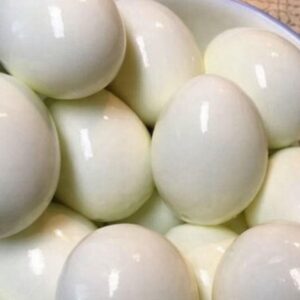
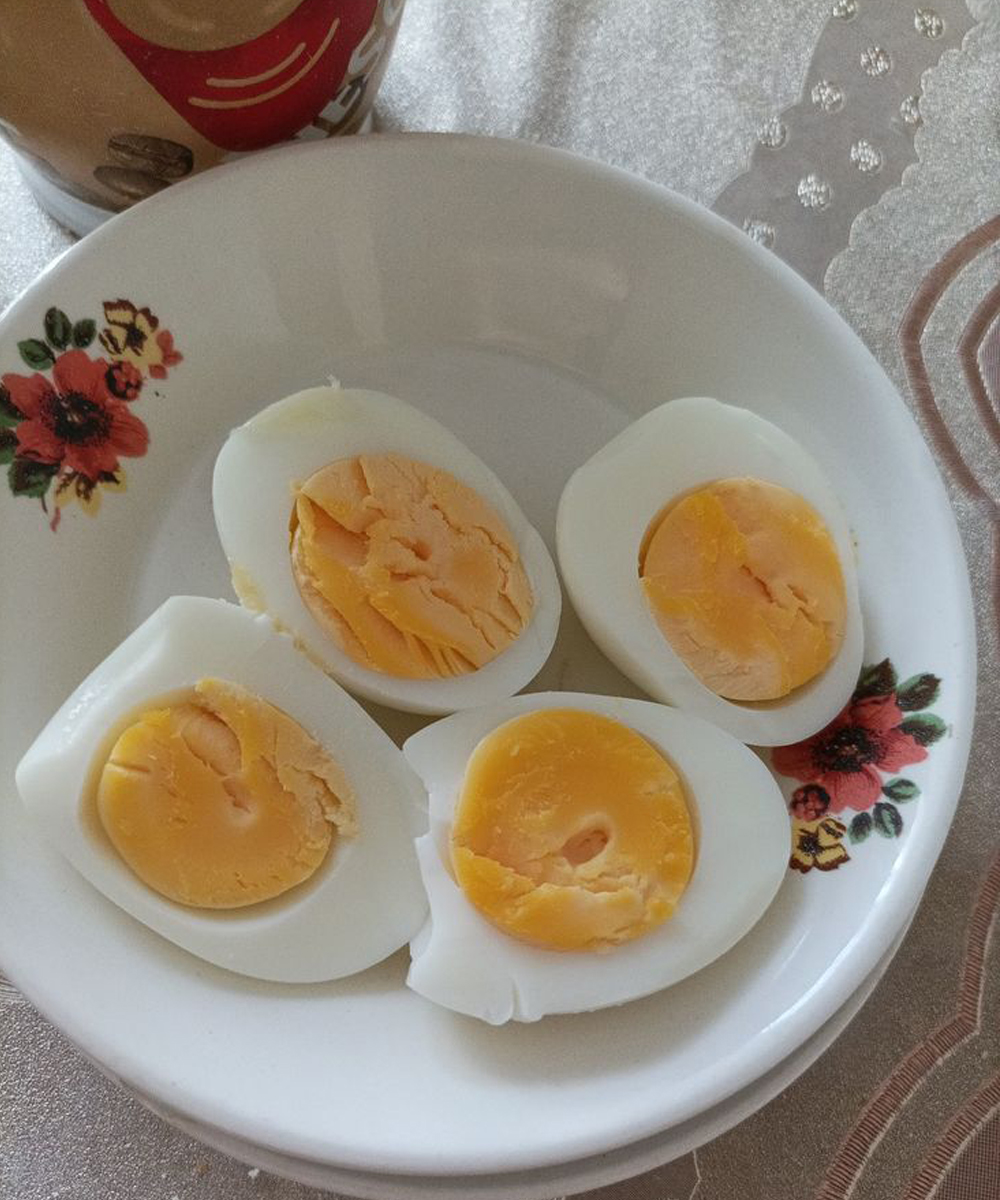
Boiled, scrambled, or lightly grilled with olive or avocado oil are ideal. Avoid frying with inflammatory vegetable oils.
“Handled correctly, eggs are one of the simplest and healthiest foods you can eat.”