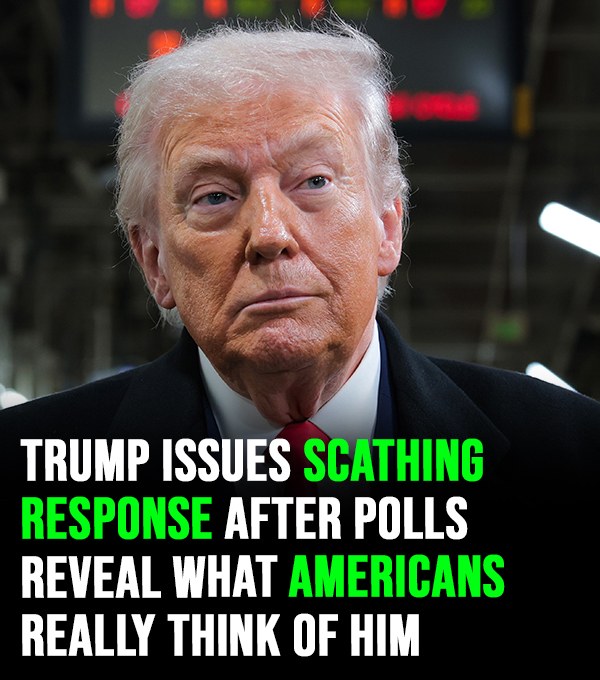
As the 2026 midterm elections approach, President Donald Trump’s approval ratings have become a growing focal point in U.S. politics. After a relatively steady start to his second term, recent national polls show rising disapproval, with many Americans questioning his leadership and priorities. A January 2026 AP-NORC survey found that only about four in 10 adults approve of Trump’s performance, while a majority disapprove. Voters have expressed particular concern over the economy and immigration, two central pillars of his administration. “Many believe the president is focused on the wrong issues,” the poll noted, reflecting broader national unease.
Poll Trends and Public Reaction
Across the polling landscape, Trump’s approval consistently remains below 50 percent, with disapproval often exceeding the mid-50s. Economic worries, inflation, and cost-of-living pressures weigh heavily on public opinion, while approval of immigration handling has also declined. In response, Trump has sharply criticized major polling organizations and media outlets, calling unfavorable surveys “fake” and biased. Writing on Truth Social, he accused pollsters of misleading the public and damaging his presidency.
Why These Numbers Matter
Approval ratings below 50 percent historically signal challenges for an incumbent’s party during midterms. Analysts warn that weak numbers could complicate Republican campaign strategies, especially in swing districts. With economic anxiety and policy divisions dominating voter sentiment, Trump’s standing may shape the political landscape well into the election season.