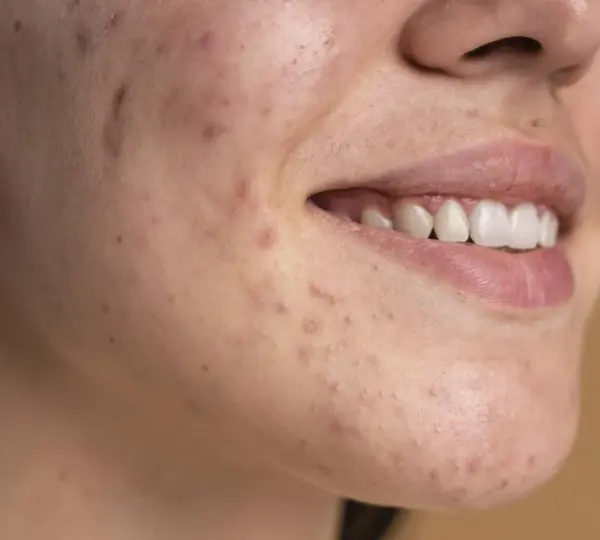
For many, acne is a ghost from a teenage past, a specter that should have vanished with high school yearbooks. Yet, for a growing number of adults, especially women over 40, a different kind of breakout makes an unwelcome appearance: stubborn, painful pimples clustered on the chin and jawline. This isn’t a youthful rebellion; it’s a signal from your skin that the rules have changed.
Why the Chin? The Hormonal Hotspot
Dermatologists often call this area the “hormonal map.” Unlike the scattered breakouts of youth, adult chin acne is typically a direct line to internal shifts. The primary driver is androgens—hormones that stimulate oil production. As estrogen levels naturally decline with perimenopause and menopause, androgens become more dominant, leading to clogged pores and inflammation precisely where oil glands are most concentrated.
It’s often cyclical, appearing like clockwork each month or flaring during major transitions, a clear sign the cause is brewing beneath the surface, not just on it.
The Modern Triggers: Stress, Diet, and Skincare Missteps
While hormones light the fuse, modern life adds fuel to the fire.
-
The Stress Factor: Chronic stress elevates cortisol, which can increase oil production and inflammation. The chin, already sensitive, often bears the brunt.
-
Dietary Links: Foods that cause rapid blood sugar spikes (like refined carbs and sugars) can increase insulin, which may further stimulate androgen activity. The body’s ability to manage these surges becomes less efficient with age.
-
Skincare Backfires: Mature skin is more delicate. Using harsh, drying products can strip the skin’s barrier, triggering it to produce more oil and worsening breakouts. The mantra for grown-up skin is gentle consistency over aggressive intervention.
The Invisible Aggravators
Sometimes, the culprit is hiding in plain sight:
-
Your Haircare: Oils and silicones from conditioners or styling products can migrate to your chin, especially overnight.
-
Your Phone & Pillowcase: Daily contact with bacteria-laden surfaces is a fast track to clogged pores.
-
Your Hands: Unconscious face-touching or resting your chin in your hand can transfer oil and germs.
Taking Back Control: A Softer, Smarter Approach
Managing adult acne requires a shift in strategy—from a teenage “attack” mindset to one of mindful care and balance.
1. Build a Gentle, Non-Negotiable Routine:
-
Cleanse: Use a mild, fragrance-free cleanser twice daily.
-
Treat: Apply targeted treatments with ingredients like salicylic acid (unclogs pores) or benzoyl peroxide (targets bacteria) sparingly to affected areas.
-
Moisturize: Always follow with a lightweight, non-comedogenic moisturizer. Hydrated skin is calm skin and is less likely to overproduce oil.
2. Look Inward: Lifestyle as Medicine:
-
Nourish: Focus on whole foods—vegetables, lean proteins, healthy fats—to help stabilize blood sugar and reduce inflammation.
-
De-stress: Incorporate calming practices like walking, meditation, or deep breathing to help modulate cortisol.
-
Protect: Daily sunscreen is non-negotiable, as many acne treatments increase sun sensitivity.
3. Know When to Call for Reinforcements:
If a consistent, gentle routine isn’t yielding results after a few months, consult a dermatologist. Persistent chin acne can sometimes indicate underlying conditions like PCOS. Professionals can offer powerful tools like prescription topical retinoids or oral medications like spironolactone, which specifically targets hormonal acne at its source.
Acne later in life isn’t a flaw; it’s information. It’s your skin speaking a new language of hormonal change and life experience. By listening to it—with patience, kindness, and smart strategies—you can quiet the breakouts and restore not just clarity to your skin, but also a sense of confidence and control. Your skin has carried you through decades; it deserves care that’s as mature and nuanced as you are.