Trump’s $2,000 Tariff Rebate: What We Know So Far
President Donald Trump recently announced on Truth Social that most Americans could receive a $2,000 “dividend” from tariff revenue, sparking widespread discussion. He cited soaring markets, strong economic growth, and rising tariff income as reasons the plan is feasible, emphasizing that the funds would primarily benefit middle- and lower-income households.
Congressional Approval Required
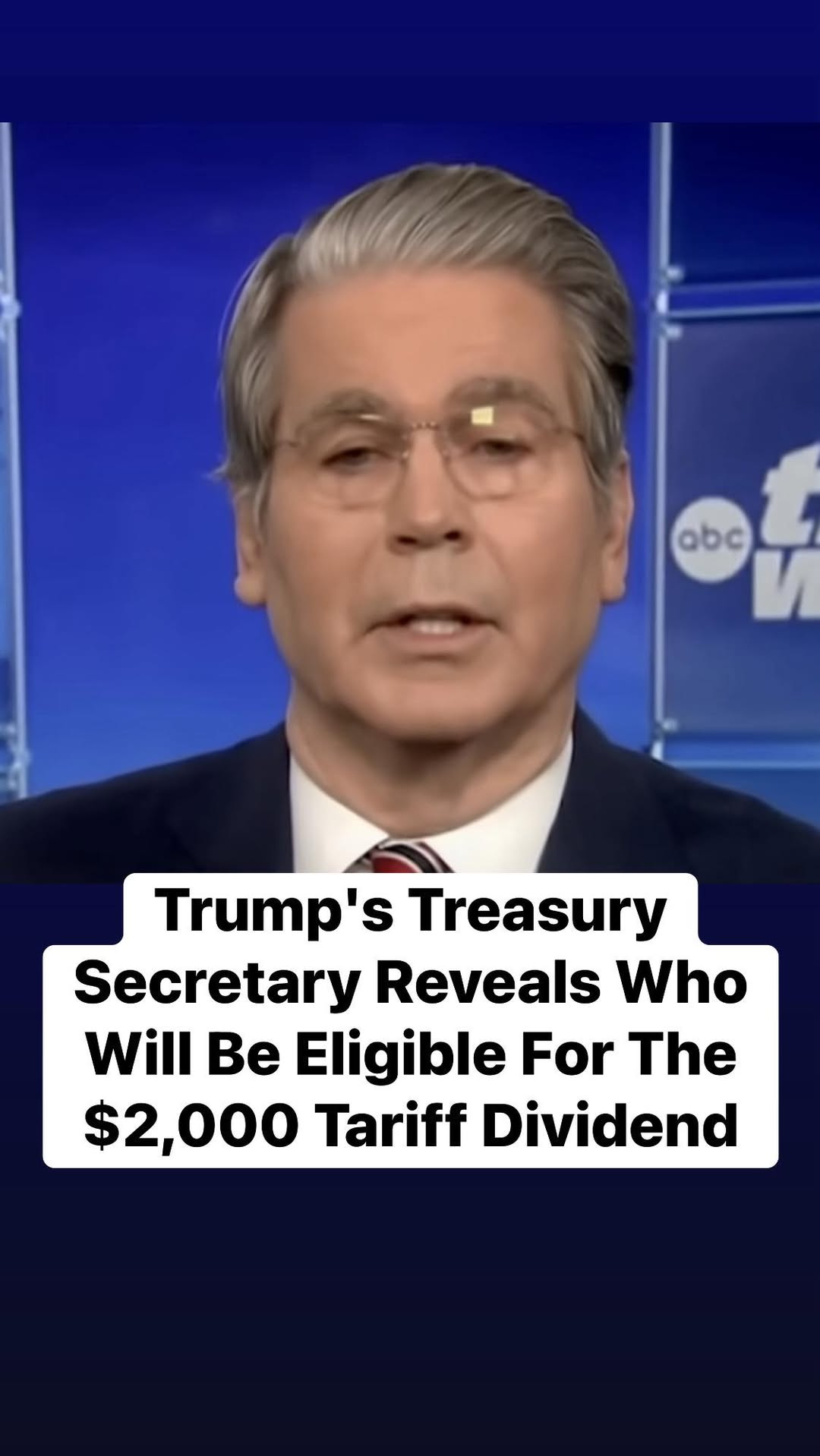
Treasury Secretary Scott Bessent confirmed on Fox News that while the administration wants the payments to reach “working families,” Congress must authorize the spending before any checks, rebates, or tax credits can be issued. Lawmakers would also determine the exact structure and eligibility for the program.
Potential Costs and Legal Hurdles
Estimates from the Committee for a Responsible Federal Budget suggest a full-scale rebate could cost up to $600 billion, far exceeding this year’s tariff revenue of roughly $100 billion. Additionally, the Supreme Court is reviewing the constitutionality of Trump’s tariff structure, and a ruling against it could force the government to issue billions in refunds.
How Payments Might Be Delivered
Bessent indicated initial benefits could appear as tax reductions—on Social Security, overtime, or auto loans—before evolving into direct payments. The administration has also previewed other initiatives, like larger tax refunds in early 2026 and a $1,000 “birth investment account” for children born that year.
Eligibility Unclear
Trump has not defined what constitutes “high income.” Analysts speculate that, following CARES Act standards, individuals earning up to $75,000 and couples up to $150,000 might qualify.
Next Steps
No legislation has been formally introduced. Until Congress acts, the Supreme Court rules, and a funding plan is finalized, Americans will not receive tariff rebates. For now, the administration maintains the plan is active, though the timeline remains uncertain.
Bottom line: The $2,000 tariff dividend remains a proposal, not a guarantee, pending legislative, legal, and logistical approval.