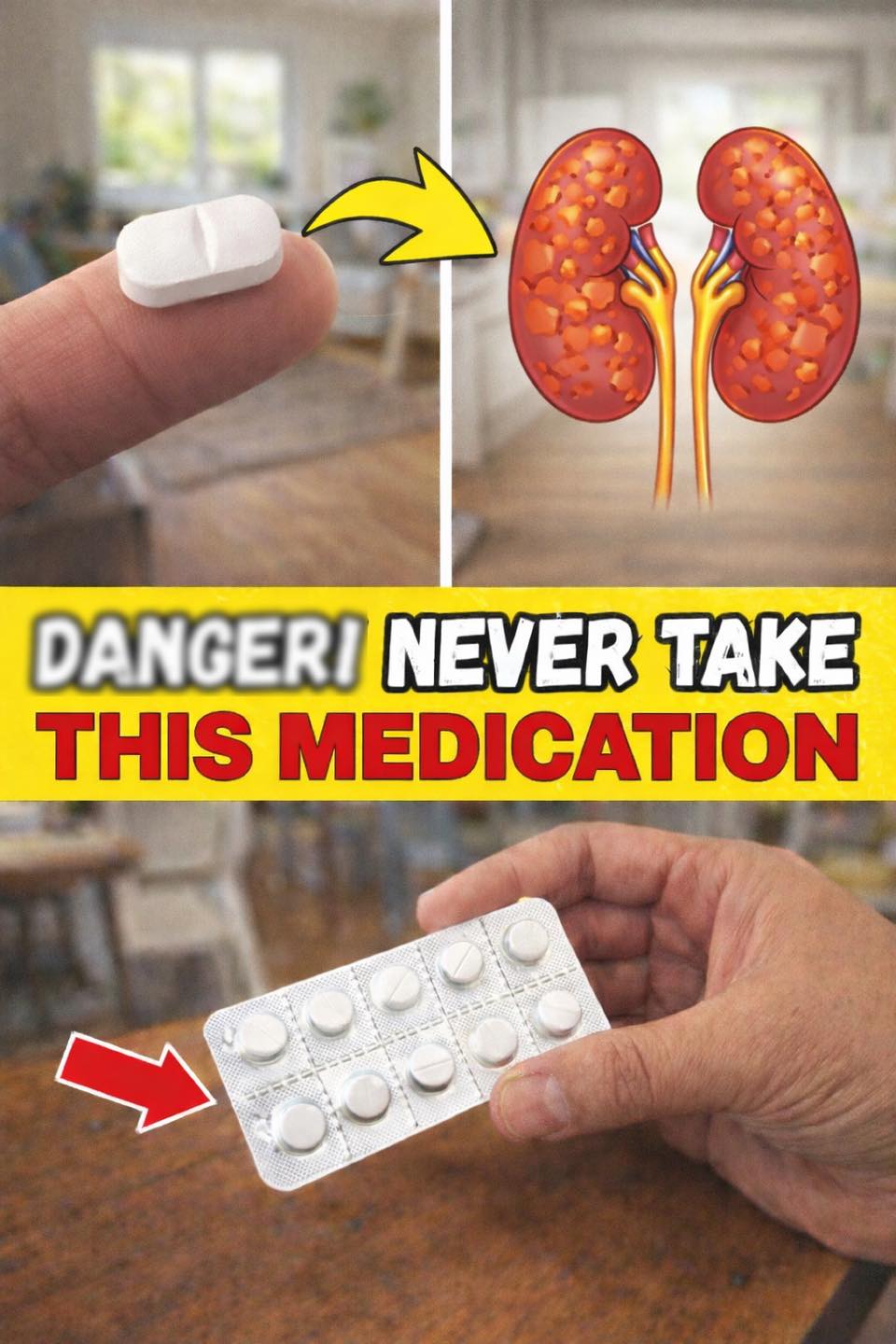
Medications Many People Use—And Why Long-Term Use Deserves Attention
Many people rely on everyday medications to manage pain, heartburn, sleep issues, or allergies. While these drugs are effective for short-term relief, research cited by organizations like the American Geriatrics Society shows that prolonged use may place added stress on organs such as the kidneys, liver, or digestive system. Doctors don’t discourage their use outright, but they do emphasize balance—ensuring benefits outweigh potential risks, especially with regular or long-term use.
Common Drugs Doctors Monitor Closely
Medications like NSAIDs, proton pump inhibitors, acetaminophen, certain sleep aids, and older antihistamines are widely used and often available over the counter. Studies suggest that extended use may affect kidney function, bone health, nutrient absorption, or lead to dependency. Because of this, clinical guidelines such as the Beers Criteria recommend caution, particularly for older adults or people with underlying conditions. As one guideline notes, “awareness is the first step toward safer use.”
Smarter Use and Safer Alternatives
The good news is that many people can reduce risks through simple steps. Using the lowest effective dose, taking medication only when necessary, and exploring lifestyle changes—like diet adjustments, gentle exercise, or improved sleep routines—can significantly lower reliance on certain drugs. Regular medication reviews with a healthcare provider help ensure treatments remain both effective and safe over time.